

Mechanická strečová tkanina 75D2/2: Komplexná technická príručka pre modernú výrobu odevov
2026-07-12
V rýchlo sa rozvíjajúcom svete textilnej výroby je výber správnej látky kritickým rozhodnutím, ktoré priamo ovplyvňuje kvalitu odevov, pohodlie, odolnosť a výkon. Medzi rôznymi dostupnými typmi tkaných textílií Mechanická strečová tkanina 75D2/2 sa ukázal ako preferovaná voľba pre dizajnérov a výrobcov, ktorí hľadajú materiál, ktorý kombinuje klasickú keprovú estetiku s moderným komfortom a funkčnosťou. Táto pokroková tkanina stavia na tradičnej odolnosti a vizuálnej príťažlivosti 2/2 keprovej väzby integráciou technológie mechanického roztiahnutia a vodeodolných vlastností, vďaka čomu je ideálna na jarné a jesenné vrchné oblečenie, bundy a všestranné oblečenie. Tento článok poskytuje komplexnú technickú analýzu Mechanická strečová tkanina 75D2/2 , skúmajúc jeho štruktúru väzby, mechanizmus mechanického rozťahovania, výkonnostné charakteristiky a kritické faktory, ktoré ho odlišujú od alternatívnych textilných riešení. Pre výrobcov odevov, módnych návrhárov a špecialistov na obstarávanie textílií, ktorí sa snažia robiť informované rozhodnutia o pokročilých tkaných látkach, je pochopenie nuancií tohto inovatívneho materiálu nevyhnutné na vytváranie produktov, ktoré spĺňajú požiadavky moderných spotrebiteľov.
1. Pochopenie základov: Čo je keprová tkanina 75D2/2?
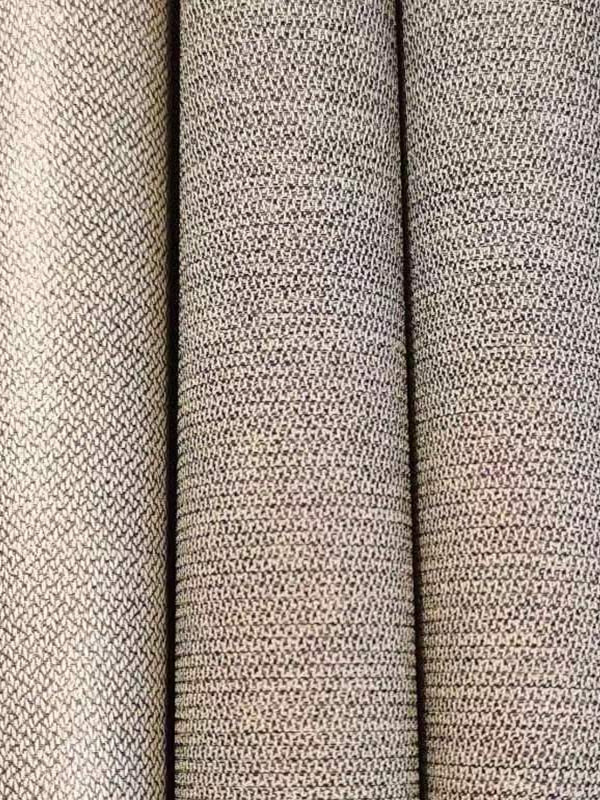
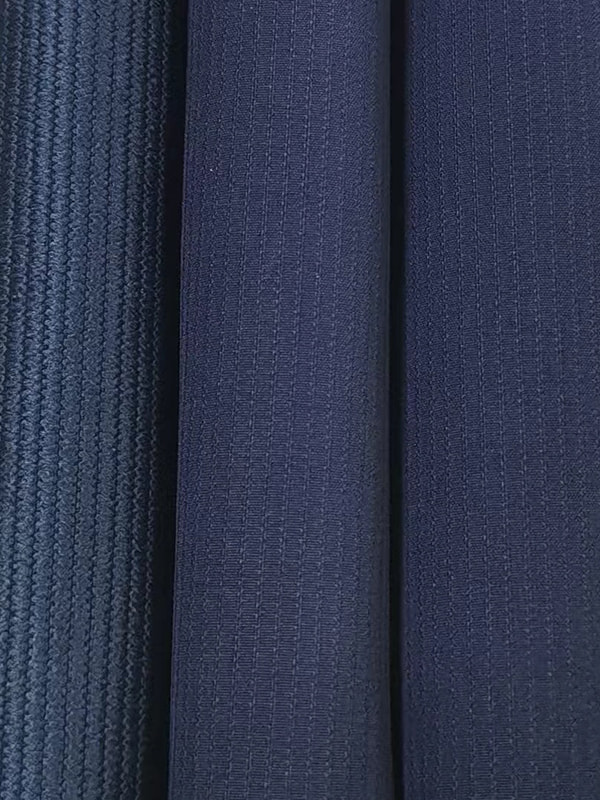
Predtým, ako sa ponoríme do špecifických vlastností a aplikácií mechanicky napínaného kepru, je dôležité jasne pochopiť, čo definuje keprovú tkaninu 75D2/2. Označenie "75D" sa vzťahuje na denier priadze použitej v konštrukcii tkaniny, čo znamená priadzu strednej hmotnosti, ktorá poskytuje vynikajúcu rovnováhu medzi odolnosťou a splývavosťou. "2/2" sa vzťahuje na štruktúru keprovej väzby, kde každá osnovná priadza prechádza cez dve útkové priadze a potom pod dve útkové priadze, čím vytvára výrazný diagonálny vzor na povrchu látky. Výsledkom tejto štruktúry väzby je tkanina s hladkým diagonálnym rebrovým efektom, ktorá je vizuálne príťažlivá a štrukturálne odolná.
2/2 keprová väzba je jednou z najbežnejších a najuniverzálnejších keprových konštrukcií. Diagonálny vzor je jasne viditeľný na povrchu látky a poskytuje textúrovaný vzhľad, ktorý dodáva odevom hĺbku a charakter. Látka je na dotyk veľmi dobrá a textúrovaná, ponúka prvotriedny hmatový zážitok, ktorý zvyšuje vnímanú kvalitu hotových výrobkov. Diagonálne línie v 2/2 kepru prebiehajú konzistentným smerom a vytvárajú klasickú estetiku, ktorá je v textilnom dizajne cenená po stáročia.
V porovnaní s plátnovou väzbou ponúka 2/2 keper niekoľko výrazných výhod. Štruktúra väzby je prirodzene odolnejšia a odolnejšia voči oderu vďaka dlhším plávajúcim priadzam. Diagonálny vzor pomáha maskovať nečistoty a opotrebovanie, vďaka čomu je látka praktickejšia na každodenné použitie. Väzba tiež poskytuje lepšie splývavosť a prispôsobivosť, čo umožňuje látke prirodzenejšie sledovať obrysy tela. Vďaka týmto vlastnostiam je 2/2 keper vynikajúcou voľbou pre širokú škálu odevných aplikácií.
2. Mechanické roztiahnutie: Technológia za elasticitou
Charakteristickým znakom moderného kepru 75D2/2 je integrácia technológie mechanického napínania. Tento inovatívny prístup poskytuje pružnosť tkaniny bez spoliehania sa na elastomérne vlákna, ako je spandex alebo elastan. Pochopenie rozdielu medzi mechanickým a prirodzeným rozťahovaním je nevyhnutné na to, aby sme ocenili hodnotu tejto tkaniny.
2.1 Mechanické vs. vlastné natiahnutie
Prirodzené roztiahnutie sa dosiahne začlenením elastických vlákien do zmesi tkaniny. Elastan, tiež známy ako spandex alebo Lycra, je ukážkovým príkladom tohto prístupu, ktorý sa dokáže natiahnuť až o 500 % svojej pôvodnej dĺžky a poskytuje vynikajúce zotavenie. Aj keď sú látky s vysokým percentom elastických vlákien účinné pre vysokovýkonné športové odevy a priliehavé odevy, môžu mať obmedzenia, ako je znížená stálosť farieb, nižšia tolerancia teploty prania a potenciálne krehnutie v priebehu času.
Mechanické roztiahnutie sa naopak spolieha na štrukturálny dizajn priadzí a proces tkania, aby sa vytvorila elasticita. Látka je tkaná pri vyššom napätí a mierne vyššej tolerancii šírky. Počas dokončovacej fázy sa tkanina uvoľní späť do svojej pôvodnej šírky, čím sa vytvorí určitý stupeň prirodzenej elasticity v tomto smere, známy ako 2-smerné mechanické napínanie. Tento prístup vedie k vlastnosti napínania, ktorá ponúka niekoľko dôležitých výhod: tkanina znesie vyššie teploty prania a sušenia, vykazuje vysokú stálosť farieb a zachováva si vynikajúcu odolnosť proti oderu.
2.2 Mechanický napínací mechanizmus v 75D2/2 kepru
V kontexte kepru 75D2/2 sa mechanické roztiahnutie dosahuje kombináciou vysokonapäťového tkania a následného tepelného vytvrdzovania. Proces zahŕňa riadenie napätia počas tkania a aplikáciu tepla v dokončovacích fázach, aby sa tkanina "usadila" v napnutom stave. Keď sa látka nosí, väzba sa mierne otvorí, aby poskytla pružnosť a pohodlie, a potom sa po uvoľnení napätia vráti do pôvodného tvaru. Tento mechanizmus je obzvlášť účinný pri tkaných látkach určených na odevy na mieru, pretože poskytuje pohyb bez obetovania štruktúry odevu alebo spôsobovania nevzhľadných vreciek na kolenách a lakťoch.
3. Výkonové charakteristiky a aplikácie
75D2/2 keprová mechanicky strečová tkanina ponúka celý rad výkonnostných charakteristík, vďaka ktorým je vhodná pre širokú škálu odevných aplikácií.
3.1 Jarná a jesenná všestrannosť
Látka je špeciálne navrhnutá pre jarné a jesenné obdobie, poskytuje ideálnu váhu a zakrytie pre prechodné počasie. Stredne ťažká konštrukcia ponúka teplo bez toho, aby bola príliš ťažká, vďaka čomu je vhodná na vrstvenie alebo samostatné oblečenie. Priedušnosť látky zaisťuje pohodlie pri kolísaní teplôt.
3.2 Vodeodolné vlastnosti
Tkanina je tiež vodeodolná a poskytuje ochranu pred miernym dažďom a vlhkosťou. Táto vlastnosť zvyšuje praktickosť látky na vonkajšie a každodenné nosenie, vďaka čomu je vhodná na bundy a iné vrchné odevy, ktoré môžu byť vystavené poveternostným vplyvom.
3.3 Pohodlie a sloboda pohybu
Mechanický streč poskytuje prirodzenú elasticitu, ktorá zvyšuje voľnosť pohybu nositeľa. To je obzvlášť výhodné pre priliehavé odevy, ako sú bundy a vrchné odevy. Natiahnutie umožňuje tkanine prispôsobiť sa pohybom tela bez ťahania, medzery alebo obmedzovania.
3. Porovnávacia analýza: 75D2/2 keprový mechanický Stretch vs. Štandardný keprový vs. Spandexový Stretch Fabrics
Zatiaľ čo všetky keprové tkaniny majú podobnú štruktúru väzby, odlišné konštrukčné prvky mechanického rozťahovania kepru 75D2/2 majú za následok výrazné rozdiely vo výkone, pohodlí a vhodnosti pre rôzne aplikácie. Nasledujúca tabuľka poskytuje priame porovnanie, ktoré výrobcov odevov, dizajnérov a špecialistov na obstarávanie vedie pri výbere vhodnej látky pre ich špecifické potreby.
| Funkcia | 75D2/2 Mechanické roztiahnutie kepru | Štandardný 2/2 keper | Spandex Stretch Twill |
|---|---|---|---|
| Napínací mechanizmus | Mechanické cez tkanie/dokončovanie | Žiadne naťahovanie | Prirodzený streč z elastických vlákien |
| Stretch Capacity | Obojsmerné (2-cestné) v smere útku | žiadne | Až 500 % vo viacerých smeroch |
| Odolnosť voči vode | áno | Nie | Líši sa |
| Vhodnosť sezóny | jar/jeseň | Celoročne | Celoročne |
| Trvanlivosť | Vysoká, tvarová stálosť | Vysoká | Môže časom degradovať |
| Starostlivosť | Vydrží vyššie teploty prania | Štandardná starostlivosť | Môže vyžadovať nízke teploty |
| Ideálne aplikácie | Vrchné odevy, bundy, jarné/jesenné oblečenie, nepremokavé odevy | Nohavice, sukne, uniformy, klasické odevy | Športové oblečenie, legíny, priliehavé odevy |
Voľba medzi 75D2/2 keprovým mechanickým rozťahovaním a inými tkaninami v konečnom dôsledku závisí od špecifických požiadaviek aplikácie. Ak je primárnou potrebou trvanlivá, vode odolná tkanina, ktorá ponúka pohodlie a klasickú keprovú estetiku s trvalo udržateľnými strečovými vlastnosťami, 75D2/2 mechanický strečový kepr je ideálnou voľbou. Pre tradičné aplikácie, kde sa nevyžaduje napínanie, môže byť preferovaný štandardný 2/2 kepr. Pre aplikácie vyžadujúce maximálnu rozťažnosť a zotavenie pre vysokovýkonné športové oblečenie môžu byť preferované tkaniny na báze spandexu.
4. Výrobné aplikácie a dizajnový potenciál
Aplikácie pre mechanickú strečovú tkaninu 75D2/2 sú rozsiahle a zahŕňajú viacero kategórií odevov od vrchného oblečenia až po všestranné každodenné odevy.
4.1 Vrchné odevy a bundy
Vďaka vodeodolným vlastnostiam a jarnej/jesennej hmotnosti je táto látka ideálna na bundy a vrchné oblečenie. Mechanický streč poskytuje pohodlie a voľnosť pohybu, zatiaľ čo textúra kepru dodáva vizuálny záujem a odolnosť. Schopnosť tkaniny odpudzovať ľahkú vlhkosť zvyšuje jej praktickosť na vonkajšie a prechodné nosenie.
4.2 Všestranné oblečenie
Okrem vrchného oblečenia je látka vhodná na širokú škálu odevov vrátane nohavíc, sukní a košieľ. Klasická keprová estetika poskytuje sofistikovaný vzhľad, ktorý sa hodí na bežné aj elegantné príležitosti. Mechanický streč zaisťuje pohodlie počas celého dňa, vďaka čomu je vhodný na cestovanie a aktívny životný štýl.
5. Zváženie zdrojov a kvality pre vývozcov
Pre podniky zapojené do medzinárodného obchodu a výroby je prvoradé získavanie mechanickej strečovej tkaniny 75D2/2 od spoľahlivého dodávateľa. Vývozcovia by mali uprednostňovať dodávateľov s preukázanými výsledkami a osvedčenými povereniami, ako sú tí, ktorí majú rozsiahle skúsenosti v odvetví, pokročilé výrobné zariadenia a komplexné systémy kontroly kvality.
Kľúčové parametre kvality, ktoré je potrebné zvážiť pri hodnotení mechanickej strečovej tkaniny 75D2/2, zahŕňajú:
- Kvalita priadze: Uistite sa, že tkanina je vyrobená z vysoko kvalitných 75D priadzí s konzistentným denierom, ktoré poskytujú vynikajúcu odolnosť a vzhľad.
- Konzistencia tkania: Overte, či je 2/2 keprová väzba jednotná s jasným, konzistentným diagonálnym vzorom po celom povrchu látky.
- Výkon mechanického roztiahnutia: Presvedčte sa, že tkanina poskytuje konzistentné a spoľahlivé roztiahnutie v smere útku s dobrým zotavením.
- Odolnosť voči vode: Overte, či tkanina spĺňa špecifikované požiadavky na vodeodolnosť pre zamýšľanú aplikáciu.
- Konzistencia farieb: Zabezpečte konzistentnú farbu v rámci kotúča a rôznych výrobných šarží.
- certifikácie: Hľadajte dodávateľov s príslušnými certifikátmi kvality, ako je ISO 9001, čo znamená záväzok k systémom manažérstva kvality.
6. Záver: Hodnota 75D2/2 keprovej mechanickej strečovej tkaniny v modernom odeve
Mechanická strečová tkanina 75D2/2 kepru predstavuje významný pokrok v textilnej technológii, pričom poskytuje klasickú trvanlivosť a estetiku kepru s moderným komfortom, vodeodolnosťou a výkonom. Kombinácia mechanického roztiahnutia, vodeodolných vlastností a všestrannej jarnej/jesennej hmotnosti robí z tejto látky ideálnu voľbu pre širokú škálu odevných aplikácií, od vrchného oblečenia a búnd až po všestranné každodenné odevy.
Pre výrobcov odevov, dizajnérov a špecialistov na obstarávanie je pochopenie jedinečných výhod a špecifikácií mechanickej strečovej tkaniny 75D2/2 nevyhnutné pre informovaný výber materiálu. Výberom vysokokvalitných tkanín od renomovaných výrobcov môžu podniky zabezpečiť kvalitu, pohodlie a výkon svojich produktov a zároveň spĺňať vyvíjajúce sa požiadavky moderného trhu.
7. Často kladené otázky
Q1: Čo znamená 75D2/2 v špecifikáciách tkaniny?
75D označuje denier priadze, ktorý označuje priadzu strednej hmotnosti. 2/2 sa týka štruktúry keprovej väzby, kde každá osnovná priadza prechádza cez dve útkové priadze a pod dve útkové priadze, čím vytvára výrazný diagonálny vzor.
Q2: Ako sa mechanické roztiahnutie líši od roztiahnutia spandexu?
Mechanické roztiahnutie sa spolieha na techniky tkania a konečnú úpravu tkaniny, aby sa vytvorila elasticita bez elastických vlákien. Spandex stretch využíva elastické vlákna votkané do zmesi. Mechanicky strečové tkaniny majú často lepšiu odolnosť, farebnú stálosť a udržateľnosť.
Q3: Je táto látka vhodná na vonkajšie nosenie?
Áno, látka je vodeodolná a určená na jarné a jesenné obdobie, takže je vhodná na vrchné oblečenie, bundy a iné odevy, ktoré môžu byť vystavené slabému dažďu a vlhkosti.
Q4: Aké sú typické aplikácie pre túto tkaninu?
Táto látka sa bežne používa na vrchné odevy, bundy, nohavice, sukne a všestranné oblečenie. Vďaka kombinácii keprovej estetiky, pohodlia natiahnutia a vodeodolnosti je vhodná na bežné aj elegantné použitie.
Otázka 5: Ako sa treba starať o odevy vyrobené z tejto látky?
Odevy vyrobené z mechanicky strečovej tkaniny zvyčajne vydržia vyššie teploty prania a sušenia v porovnaní s tkaninami obsahujúcimi spandex. Vždy sa však riaďte pokynmi výrobcu, aby ste dosiahli čo najlepšie výsledky.
8. Referencie
1. Červená farba Textil. (2026). Mechanická strečová tkanina 75D2/2 Product Specifications . Katalóg produktov Redcolor.
2. Textilné detaily. (2025). Štruktúry a vlastnosti keprovej väzby . Referencie textilného priemyslu.
3. Palác Spandex. (2023). Odhalenie rozdielov: Stretch Spandex Fabric vs. Mechanická Stretch Fabric .
4. VYKONÁVACIE DNI. (2026). Prehľad technológie mechanickej strečovej tkaniny . Detail produktu na trhu.
5. Kanai, H., Ogawa, K., Sasagawa, T., & Shibata, K. (2021). Vplyv mechanickej rozťažnosti látok na komfort nosenia pánskych oblekových nohavíc . Textile Research Journal, 91 (23-24), 2771-2785.
6. Pracovné odevy SYNQ. (2024). Vysvetlenie strečových látok .
7. Medzinárodná organizácia pre normalizáciu. (2022). ISO 9001: Systémy manažérstva kvality - Požiadavky . Normy ISO.
8. Americká asociácia textilných chemikov a koloristov. (2023). AATCC testovacie metódy pre vlastnosti tkaniny . Normy AATCC.
Kontaktujte nás pre viac informácií
Neváhajte kontaktovať, keď nás potrebujete!
Kategórie výrobkov
Kontaktné informácie
-
Č.
-
+86-13962557213
-
+86-512-80739991-801
-
+86-512-80739990
-
